The inspiration behind The REACH Association is deeply personal.
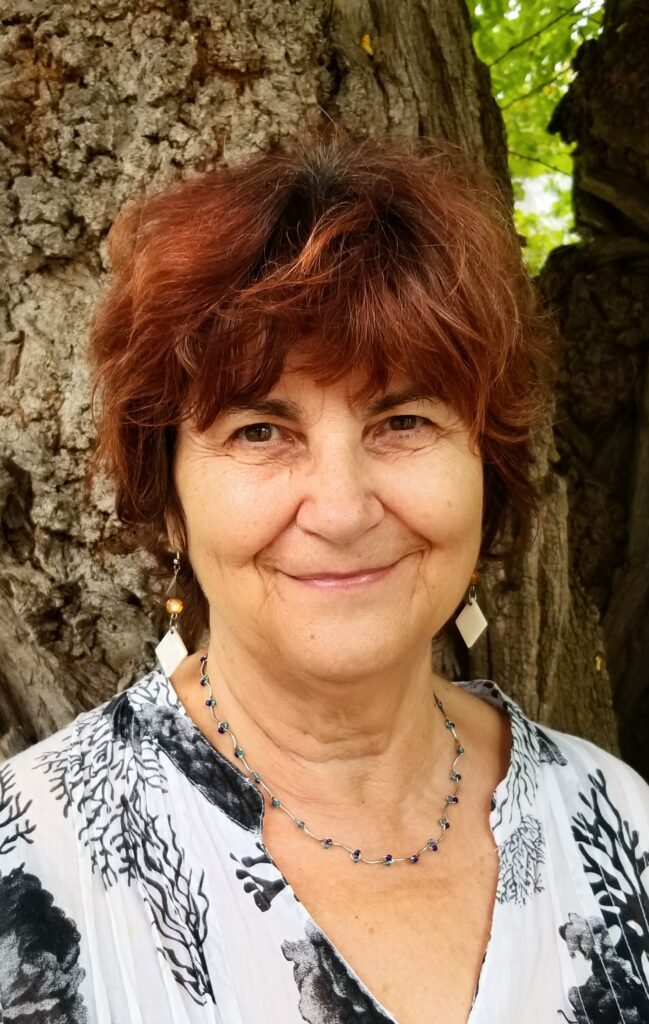
Gwim Philipp is the Founder and Executive Director of The R.E.A.C.H. Association. She brings over 15 years of dedicated experience in crafting innovative intergenerational programs for diverse underserved communities. With a background in teaching and counselling, Gwim places belonging and the well-being of children and families at the forefront of her initiatives.
She has collaborated with Indigenous leaders and individuals on various projects, and her commitment to meaningful engagement and partnership is rooted in respect and empathy. Gwim envisioned a program where children are catalysts for societal change through authentic intercultural connections and friendships.
Beyond her work in intercultural and reconciliation education; Gwim is a writer, devoted mother, and advocate for social justice. She holds a Master’s degree in Education, with specializations in Spanish and English Literature, as well as Applied Linguistics.
I envisioned a program centred on friendship
my daughter’s journey
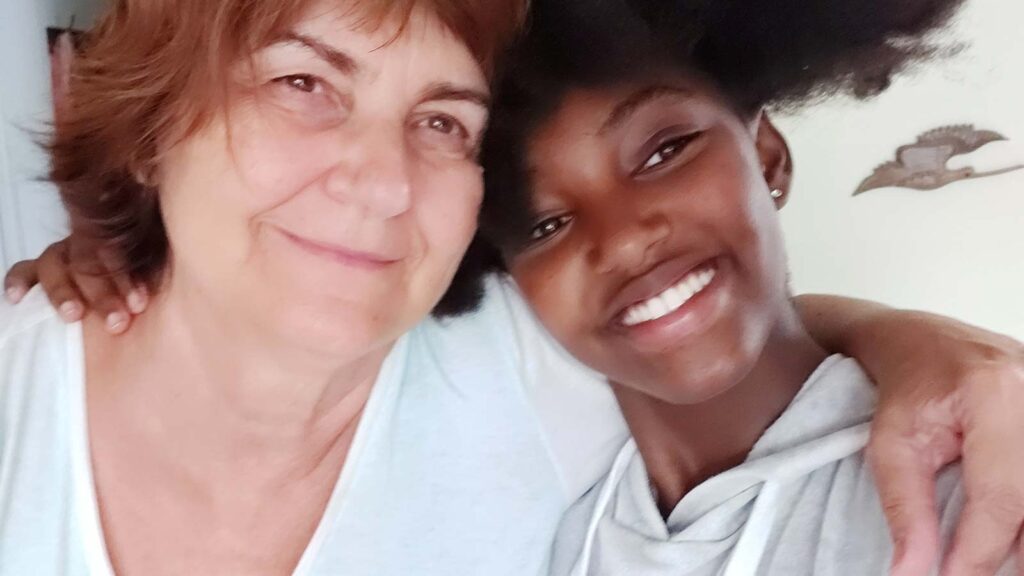
The inspiration behind The REACH Association is deeply personal. Witnessing my daughter’s journey in reconciliation education through middle school and high school, I identified a gap despite the efforts of dedicated educators and compelling literature. Although my daughter is empathetic and has a well-developed social consciousness, she did not feel engaged with the subject matter after the class moved on to other topics.
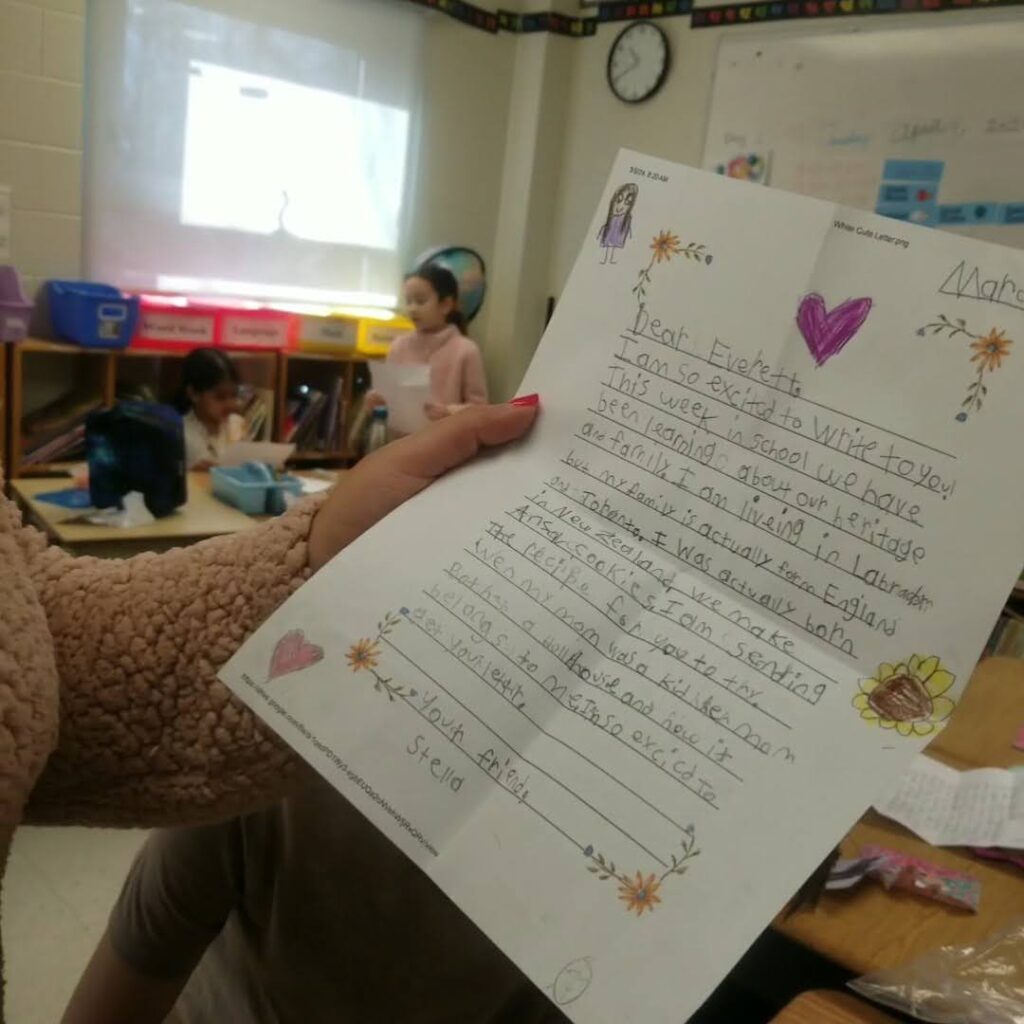
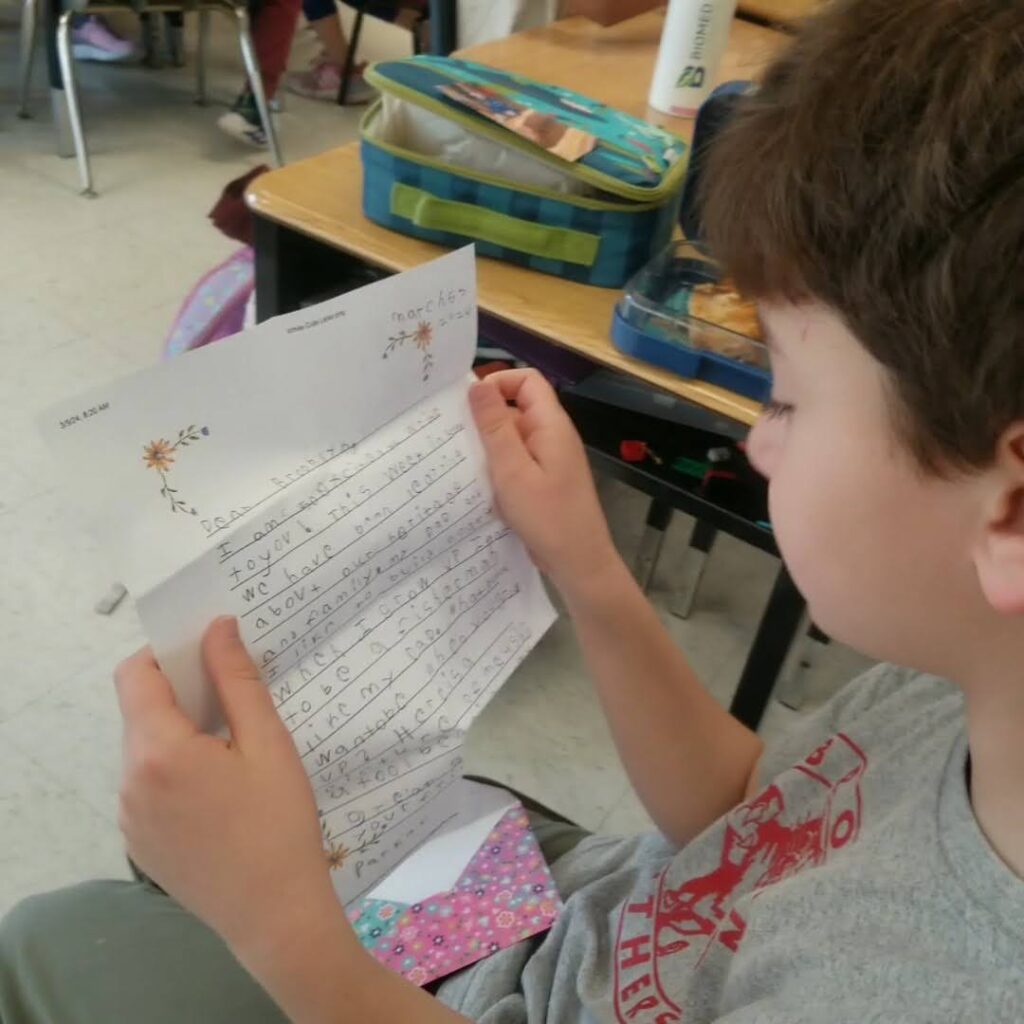
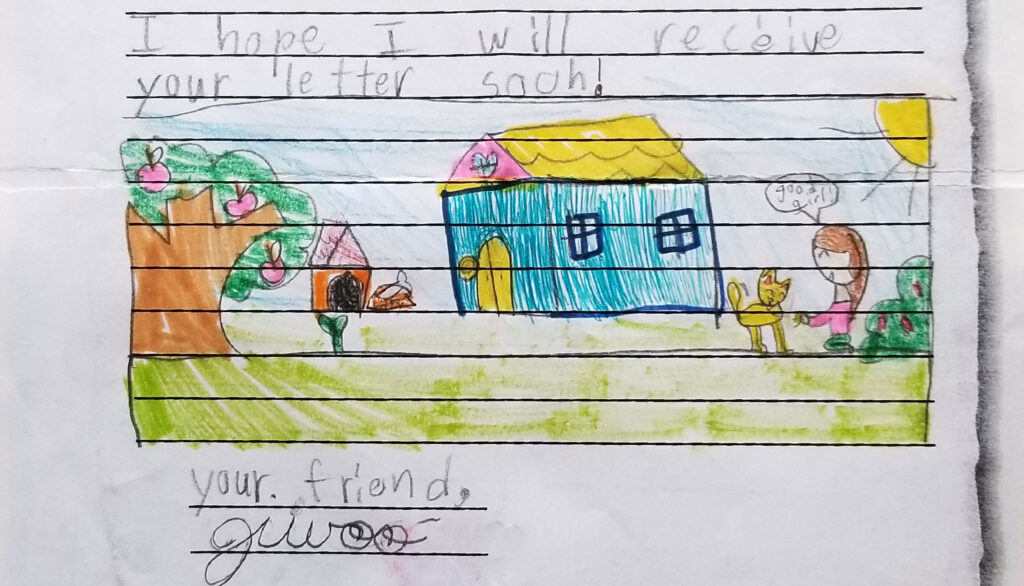
This realization prompted me to explore activities that would lead to sustained interest in reconciliation education among young learners. Recognizing the pivotal role of childhood friendships in shaping attitudes and perspectives, I envisioned a program centred on friendship developed through traditional letter writing between Indigenous and non-Indigenous children.
Partnering to build a world where all children may experience intercultural understanding, mutual respect and empathy.
meet our Board of Directors
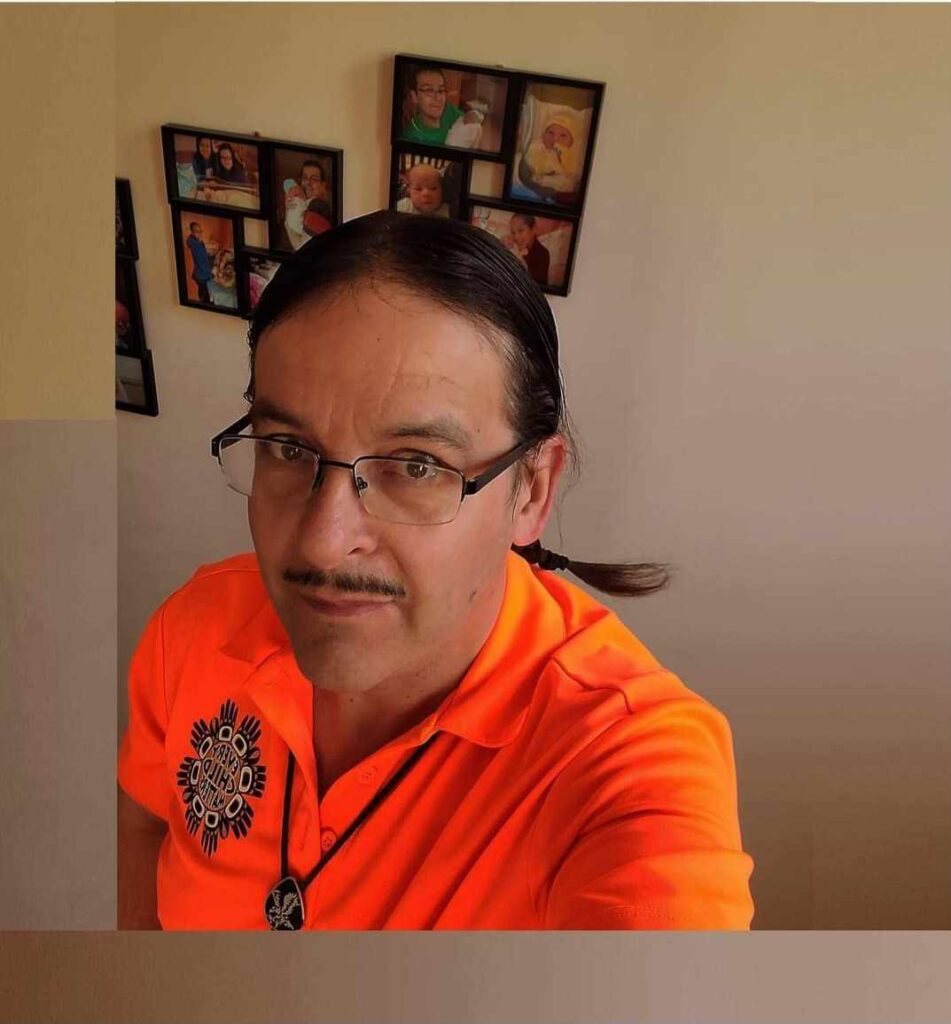
Chief Jasen Benwah, a dedicated advocate for cultural harmony, has served as Chief since 2014 and is currently in his third term on the Qalipu First Nation Band Council, representing members of the Port au Port Ward. With a strong commitment to preserving Mi’kmaq language, culture, and heritage, Jasen organizes annual traditional Mawio’mi (pow-wow) celebrations and authored popular books preserving regional history and knowledge.
Through various programs and community development initiatives, Jasen promotes cultural understanding and is a devoted supporter of Reconciliation Education. He believes that children play a pivotal role towards change with the guidance of parents, teachers and elders.
Jasen’s educational background includes studies in Business Administration and Occupational Health & Safety. As a Commissioner of Oaths and Marriage Commissioner, he upholds legal integrity within his community while balancing his roles as a proud husband and father.
Kay Brenders joins REACH, bringing 30 years of leadership, management, strategic communications, policy and program experience, developed as a senior executive in the public, non profit and private sectors. Kay has a deep love for the planet, humanity and all the creatures that inhabit it. Working to facilitate understanding, collaboration and positive outcomes is what fuels her desire to give back and make a difference.
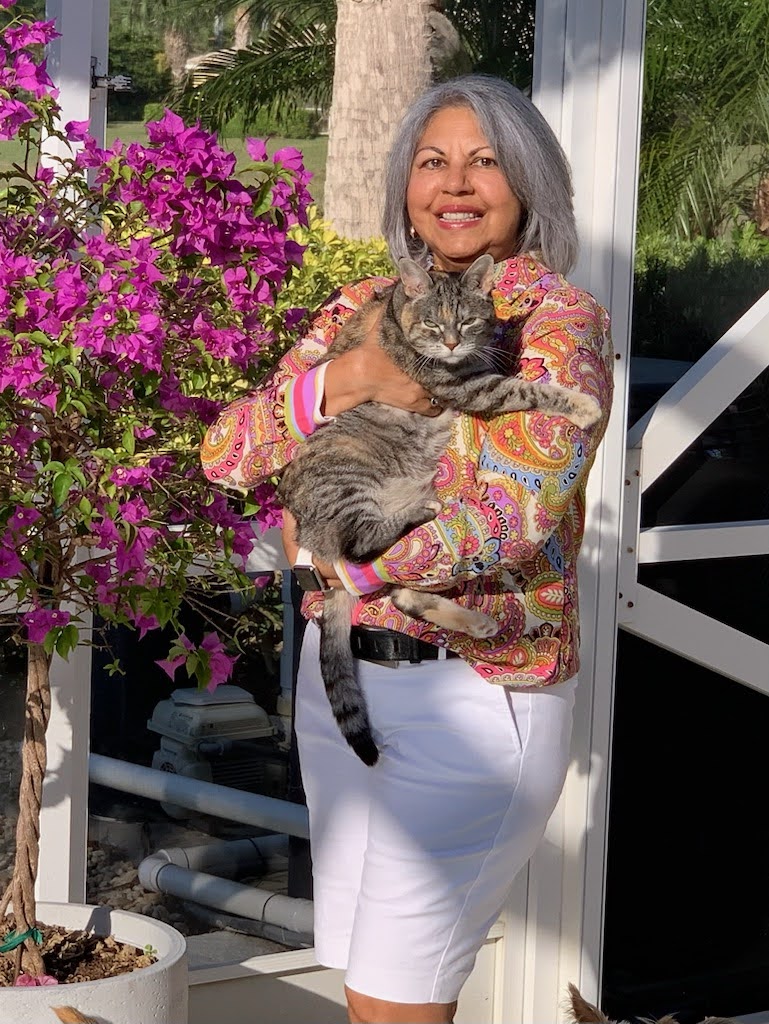
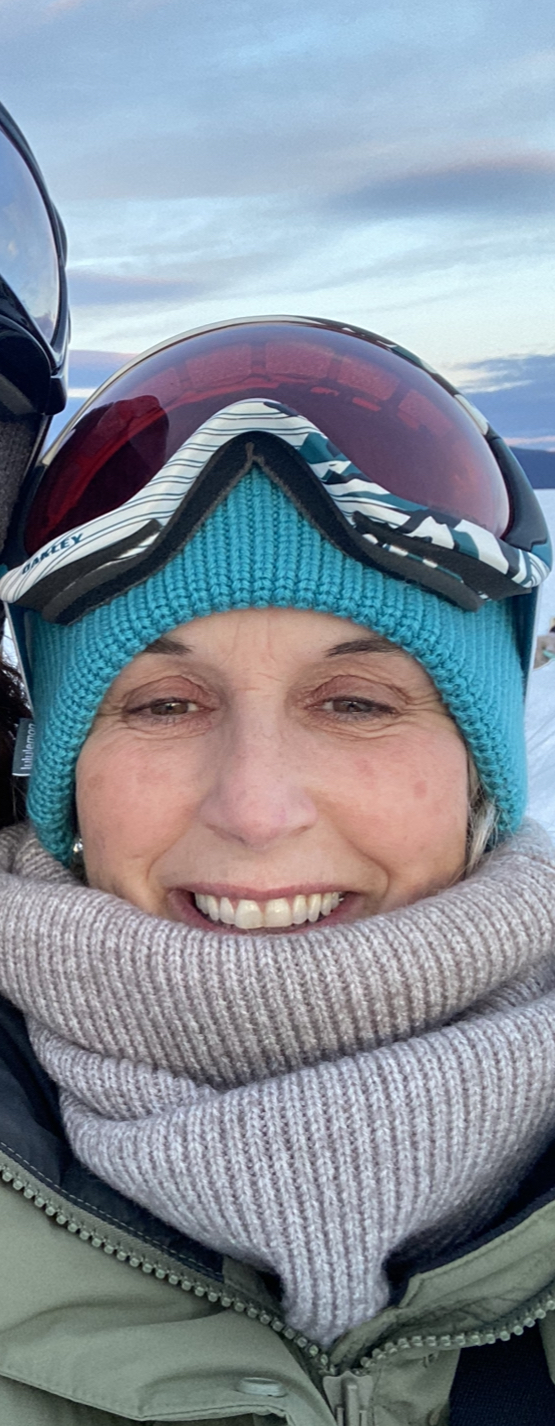
Bonita Rumbolt, a devoted full-time teaching vice-principal in Mary’s Harbour, Labrador, is dedicated to integrating indigenous perspectives into her classroom and school community. With a Master’s degree in Educational Leadership, Bonnie is deeply committed to fostering inclusive learning environments that promote reconciliation and cultural harmony.
Bonnie has over 30 years of experience as a literacy practitioner, and she is passionate about inspiring lifelong learning and empowerment. As a Director with the NL 50+ Federation, she initiates multigenerational learning opportunities, bridging generations through traditional crafting, music, and storytelling.
Through her versatile roles and contributions, Bonnie is an ardent supporter and leader for change in our communities.
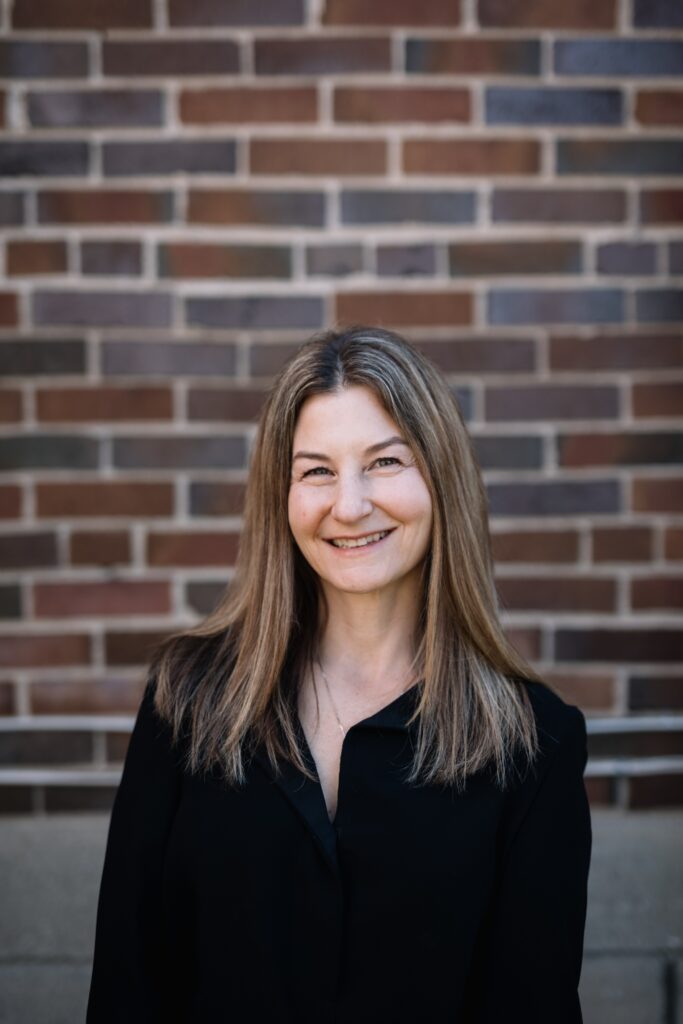
Andrea Goldfarb, a dedicated school principal, is an advocate for intercultural understanding, equity, and social justice. With over 23 years of experience in education, she has positively influenced the lives of countless children and families in Toronto, embedding core values of kindness, responsibility, and compassion into their daily lives.
Andrea spearheaded an innovative project to integrate equity and social justice into the Toronto District School Board (TDSB) curriculum through the use of picture books. This project culminated in the publication of a Resource Kit by the TDSB in 2010, which was the first of its kind and has since been adopted by hundreds of teachers in their classrooms.
From the inception of the REACH Association, Andrea has been a passionate supporter, believing in the potential of inspired children to shape a society characterized by intercultural harmony.
Initiative
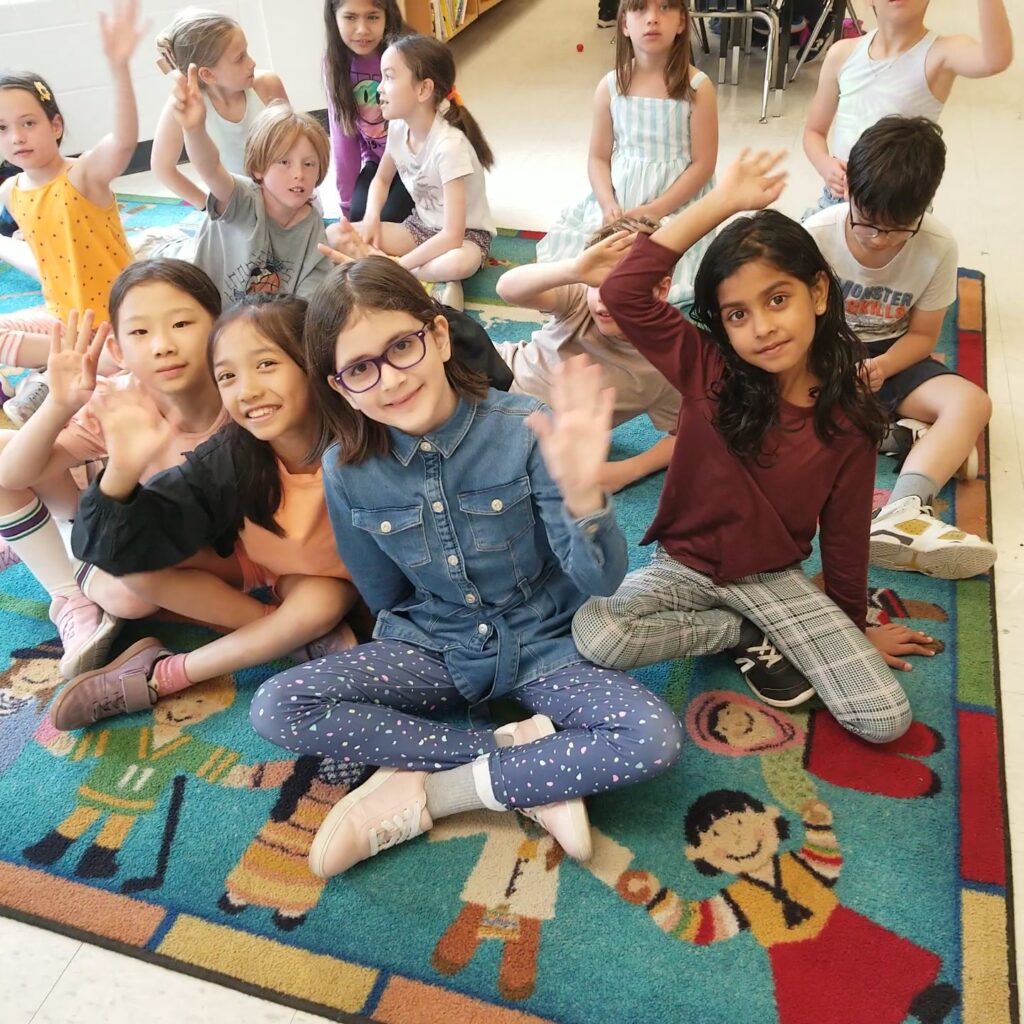
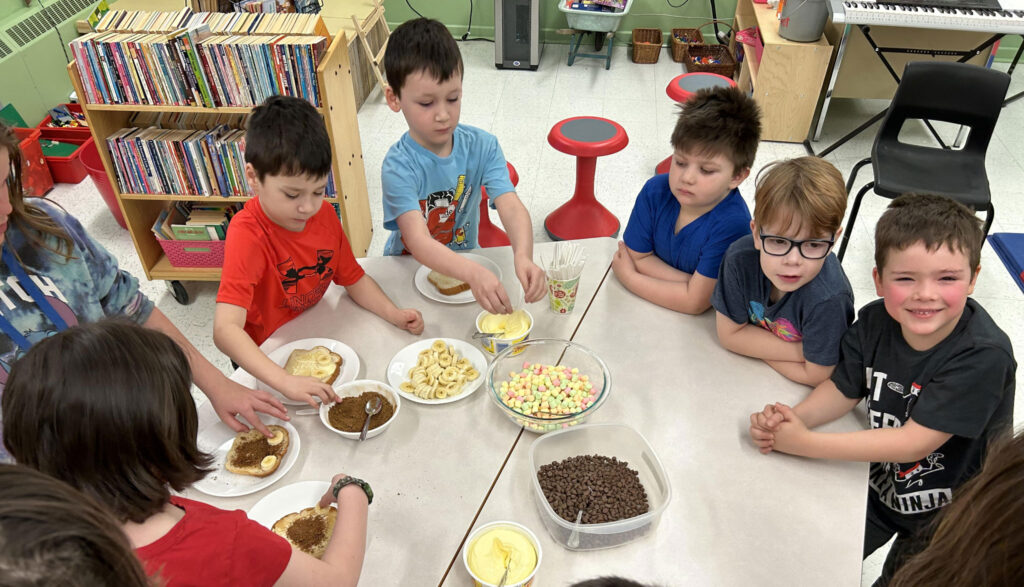
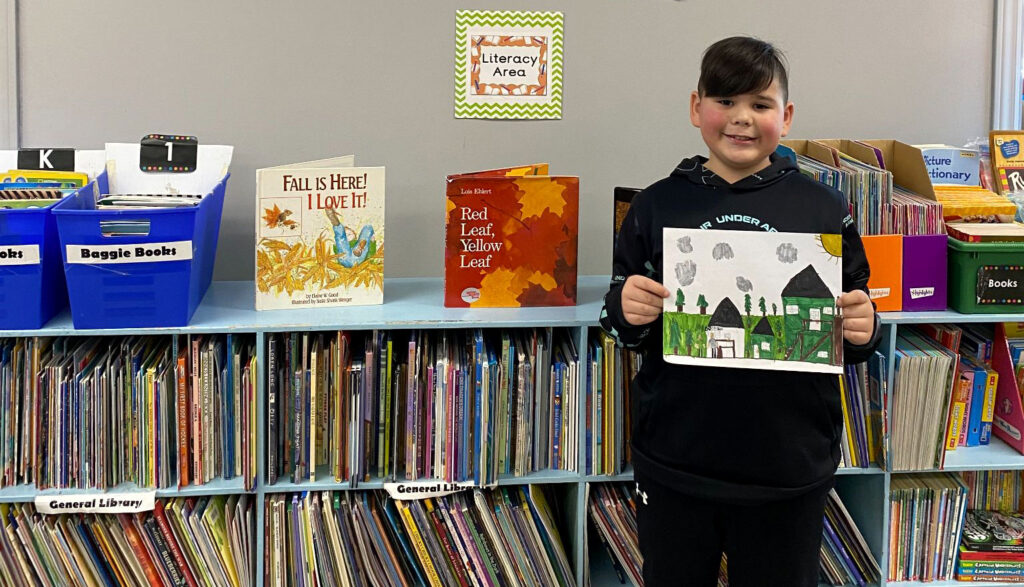
In the REACH initiative, children from predominantly Indigenous communities are paired with peers from predominantly non-Indigenous communities.
Supported by educators and REACH volunteers, they explore diverse cultures through age-appropriate literature and engage in activities like letter writing, fostering bonds of friendship and understanding.
Through these experiences, children develop empathy, trust, and intercultural awareness. This empowers them to become active agents of change towards reconciliation.
Towards a harmonious and inclusive society
Our approach addresses the call to action 63 iii, focusing on building students’ capacity for intercultural understanding, empathy, and mutual respect, laying a foundation for a more harmonious and inclusive society.
Our vision
A Canada where children are inspired to shape a future defined by intercultural harmony.
Our mission
To provide the tools, activities and support for school age children to build their capacity for intercultural understanding, empathy and mutual respect and be active agents of change for reconciliation.
The importance of lived experience
Caring and connection through lived experience is a strong driver for our desire to change. Helping young students build connections and care for each other cross-culturally will enable future generations to push for the change in the near future which is necessary to improve our societies for all.